
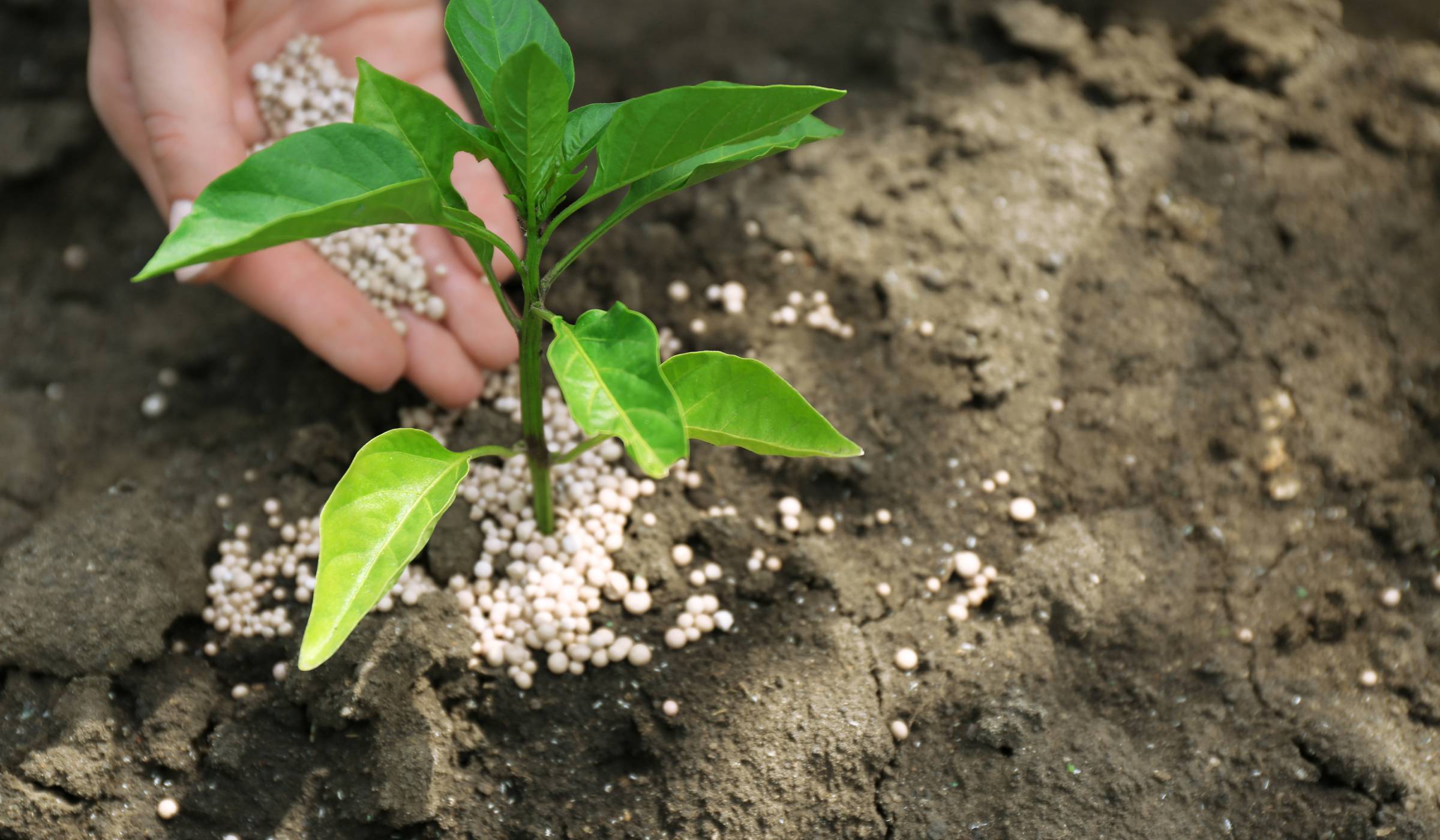
Gardening is a great hobby that brings life to outdoor spaces, but it’s so much more than planting seeds and pouring water, there’s science and knowledge behind it, that’s for sure! Fertilizers are so important to get truly vibrant and thriving plants. Fertilizers supply plants with a necessary set of nutrients to grow, thrive, and tolerate meltdowns from the environment. If your plant garden is either lacking or dying out, then fertilizers are absolutely essential for normal plant growth and development, and can help you grow the garden of your dreams.
What Are Fertilizers and Why Do They Matter?
Fertilizers are substances that the soil needs to grow nutrients to then allow a plant to flourish. Natural soil contains some nutrients but not all that is required to provide your plants with optimal health. Fertilizers fill this gap and provide what plants need to grow well.
Macronutrients: Nitrogen (N), phosphorus (P), and potassium (K) together are known commonly as NPK.Qt4. These macronutrients are vital for:
- Nitrogen: An essential element for promoting leafy green growth, it is critical leafy vegetables and lawns.
- Phosphorus: It helps support fruiting plants and flowers developing root and flowering.
- Potassium: It helps improve (strengthen) plant and seed resiliance towards diseases and harsh environmental conditions.
- Micronutrients: Plants also need the small amounts of such elements as magnesium, calcium and iron to survive besides NPK.
How Fertilizers Influence Plant Health and Growth
Plants pull nutrients from the soil through their roots. If soil nutrients are deficient, plants will grow slowly and they will be found to be susceptible to a range of pests and diseases. The benefits of fertilizers are:
- Enhanced Development: Through the application of fertilizers, plants will be growing rapidly and highly yield.
- Improved Quality: Fruits and flowers are bigger, more colorful, and healthier.
- Stronger Roots: Roots are made stronger by phosphorous.
These, together with other good nutrients, will help to improve immunity in the plants thus enhancing their resistance to various stresses such as diseases, pests, severe weather conditions like dryness, etc.
Choosing the Right Fertilizer for Your Garden
Not all fertilizers are identical, some are not compatible and may harm your garden if they are too strong. Here are some tips for you on choosing them:
Fertilizer: Organic or Synthetic
- Organic Fertilizer: it is a natural source like compost, manure, or bone meal. The slow release of nutrients and making the soil better in time.
- Synthetic Fertilizers: The manufactured products that are immediate nutrient release. Ideal for fast results but need very careful application lest they be overused.
Understand Your Plants’ Needs: For example, each plant has a different requirement for nutrients. For example:
- Lush green growth requires that lawns need nitrogen rich fertilizers.
- More phosphorus is required to promote blooming flowering plants.
- A balanced mix of nitrogen, phosphorus and potassium is good for vegetables.

Application Tips for Effective Fertilizer Use
It is important to apply fertilizers the right way to benefit plants without doing damage. Follow these guidelines for best results:
- Timing is Key: Fertilization for plants can be timed to coincide with the first few weeks in the growing season under active plant growing conditions. Though it should not be applied during dormancy—if done so-will probably result in poor uptake by plants.
- Follow Instructions: So always apply in the manufacturer recommended rate (or as rated), and always follow the manufacturer’s instructions on how to do so. If you over fertilize, you damage the plants and pollute the environment.
- Even Distribution: Water thoroughly after that and spread granular fertilizers evenly over the soil surface, so that the materials stain the roots.
- Avoid Foliage Contact: Leaves can actually burn with direct contact with fertilizer. Do not use fertilizers on the plants but always apply fertilizers around the base of plants.
- Consider Weather Conditions: Don’t fertilize before heavy rainfall, as this can lead to runoff and lose of nutrients.
Following these practices you can maximize fertilizer effectiveness and minimize fertilizer waste.
Maximizing Fertilizer Efficiency
To make fertilizers even more effective, pair their use with complementary gardening practices:
- Soil Preparation: Fertilize after soil loosened and weeds removed. It helps in improving nutrient absorption.
- Mulching: To hold moisture in, reduce nutrient loss, and side step weed, add organic mulch around plants.
- Companion Planting: There are even certain plants that can increase soil nutrient levels. Legumes, for instance, fix nitrogen in the soil for benefit of nearby plants.
- Regular Monitoring: Watch out for plant health, and change your fertilization schedule, if necessary.
Proper fertilization of these techniques, brings us a robust and resilient garden ecology.
Conclusion
Without fertilizers, lush gardens would be a memory — honestly, they are unsung heroes of plants that need essential nutrients to grow, bloom and thrive. Whether you’re a green fingered old pro or a slice of green leafy beginner, getting to grips with fertilizers will set your garden off and ensure you maximise crop potential.
You can have a thriving garden and preserve the environment by integrating fertilizers with sustainable practices and keeping yourself up to date with latest innovations. That’s why today take the first step, test your soil and choose the proper fertilizer and you’ll never be able to garden like this again!

