A Beginner’s Guide to Choosing the Right Fertilizer
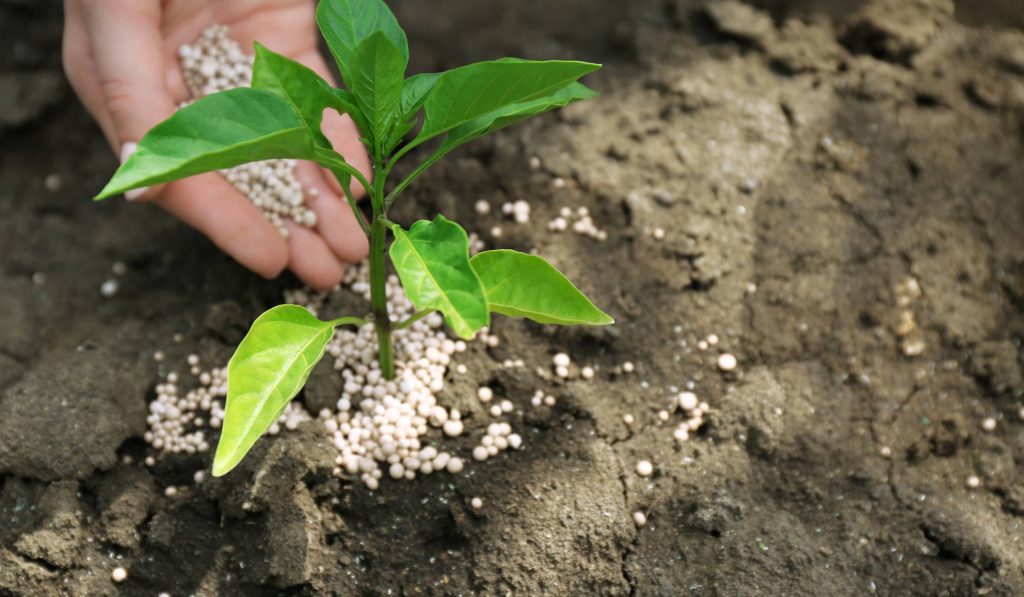
Gardening is more than a hobby, an art and science indeed through which one can create life and nurture it. Having been a professional gardener myself, I have often experienced how picking the right fertilizer can make all the difference in achieving a flourishing rich garden. Fertilizers provide essential nutrients needed by plants to grow healthy, strong, and resilient to disease. However, with so many products on the market, choosing one can be rather daunting, especially for beginners. So, let me break it down into the four major things you consider to make your choice informed. 1. Understand the Nutritional Needs of Your Plant Every plant has its own specific nutritional requirements. Before purchasing a fertilizer, take time to understand the needs of your plants. Most fertilizers list their nutrient content using an NPK ratio, which represents the levels of nitrogen (N), phosphorus (P), and potassium (K) present: A general-purpose 10-10-10 balanced fertilizer might be the perfect all-around product for general gardening, whereas plants such as tomatoes or roses may need a different formula, like 5-10-10. Research what your plants need and find the fertilizer that best matches their needs. 2. Organic vs Synthetic Fertilizer There are two basic categories of fertilizers: organic and synthetic. Both usually offer advantages that have to be considered in relation to what the gardening objective is: Organic Fertilizers: Organic fertilizers are manufactured from natural sources, including compost, manure, and fish emulsion. These improve soil structure, enhance microbial activity, and release nutrients over time; thus, they are ideal for long-term soil health and sustainability in gardening. Synthetic Fertilizers: These are precision-engineered to deliver specific nutrients fast. These work great for immediate results but tend to deteriorate the soil quality if overused. For the novice in gardening, it might look something like this: if you want quicker results, synthetic fertilizers should give you what you’re after; if, on the other hand, your views on the garden or crop cultivation are long-term-oriented regarding healthy soil development, take the organic ones. 3. Check Your Soil Type The quality and nature of your soil are a key concern in the efficiency of fertilizers. Run a soil test for pH, nutrient levels, and texture of the soil. Inexpensive testing kits are available to the home gardener. According to your type of soil, tailor your fertilizer selection thus: Your fertilizer matched with your soil type ensures optimum nutrient uptake and plant health. 4. Apply Small and Monitor Progress When fertilizing, less is often better. Over-fertilization will burn leaves, stunt growth, or even kill plants. Always use the application rates recommended on the label of the manufacturer. Apply on smaller scales first, and carefully observe your plants’ reaction. Yellow leaves may serve as an indication of a nitrogen deficiency, while a very lush, dark green foliage may mean too much nitrogen has been applied. Further modification in the manner of fertilizing based on such observations will arrive at just the right amount your plants will need. Conclusion Fertilizing plants is a balance between art and science, relying on knowledge and intuition in equal measure. Understand what the plant needs, then take an organic or synthetic choice based on the soil type; apply it in small portions. More than feeding, it is a way of bringing up life. With time, patience, and practice, this is one important gardening skill that anyone can learn to help make their space a lush, productive haven.